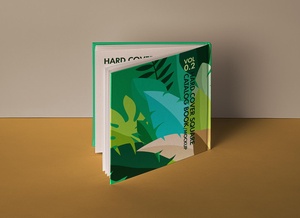






Hand Holding Square Cover Catalog Mockup

Creating a visually appealing and informative catalog is crucial for showcasing your products or services. It serves as a tangible representation of your brand, guiding potential customers through your offerings and ultimately driving sales. Here's a comprehensive breakdown of the essential steps involved in designing a successful catalog:
1. Planning Your Foundation
- Page Count and Product Lineup: Begin by determining the number of pages required based on the scope of your product lineup. This will dictate the overall size and structure of your catalog.
- Content Gathering & Organization: Gather all necessary content, including product descriptions, images, testimonials, company information, and contact details. Organize this material in a logical and easily navigable way.
- Layout Concept: Choose a layout style that best suits your content and brand aesthetic. Options include a symmetrical layout for a clean and traditional feel, or a brochure-style layout for a more dynamic and engaging approach.
2. Building Your Structure
- Table of Contents: A clear and concise table of contents is essential for guiding readers through your catalog and helping them quickly find the information they need.
- Company Introduction: Showcase your company's mission, vision, and unique selling proposition. This sets the stage for the products or services to follow.
- Product Showcase: This is the heart of your catalog. Each product or service should be presented with high-quality images, detailed descriptions, and clear pricing information.
- Testimonials and Case Studies: Social proof is powerful! Include testimonials from satisfied customers to demonstrate the value and effectiveness of your offerings.
- Contact Information and Call to Action: Provide clear contact information, including phone numbers, email addresses, and website URL. Include a clear call to action encouraging readers to take the next step, such as visiting your website or placing an order.
3. Leveraging Visual Appeal
- High-Quality Images: Invest in professional photography that highlights your products or services in a visually appealing and informative way.
- Compelling Design: Utilize a visually appealing design that complements your brand identity and enhances the readability and navigation of your catalog.
- Color Scheme and Typography: Choose colors and fonts that are consistent with your brand and create a cohesive and professional look.
4. Exploring Mockups and Resources
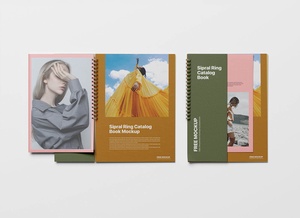
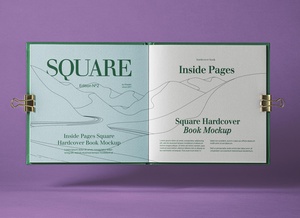
To bring your vision to life, consider utilizing a free hand-holding square cover catalog mockup in PSD format. This mockup allows you to easily place your artwork on a smart object and instantly visualize how your design will look in a real-world setting. With its changeable background color and easy-to-use smart object insertion, this mockup is a valuable resource for any designer.
Key Features of the Catalog Mockup:
- Layered PSD File: Allows for easy customization and manipulation of individual elements.
- Smart Object Insertion: Quickly and seamlessly place your artwork for a realistic preview.
- Changeable Background Color: Customize the background to match your brand aesthetic.
- High Resolution: (7500 x 5200 px) ensures sharp and detailed output.
- Free for Personal and Commercial Use: Provides flexibility and accessibility.
Additional Tips:
- Proofread Carefully: Ensure that all content is free of errors and typos.
- Seek Feedback: Get feedback from colleagues, friends, or potential customers before finalizing your design.
- Print Test: Print a few copies of your catalog to ensure that the colors, fonts, and overall layout are to your satisfaction.
Remember, a well-designed catalog is an effective tool for building brand awareness, generating leads, and driving sales. By following these steps and utilizing available resources, you can create a catalog that leaves a lasting impression on your audience.