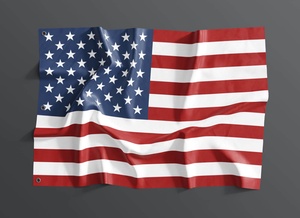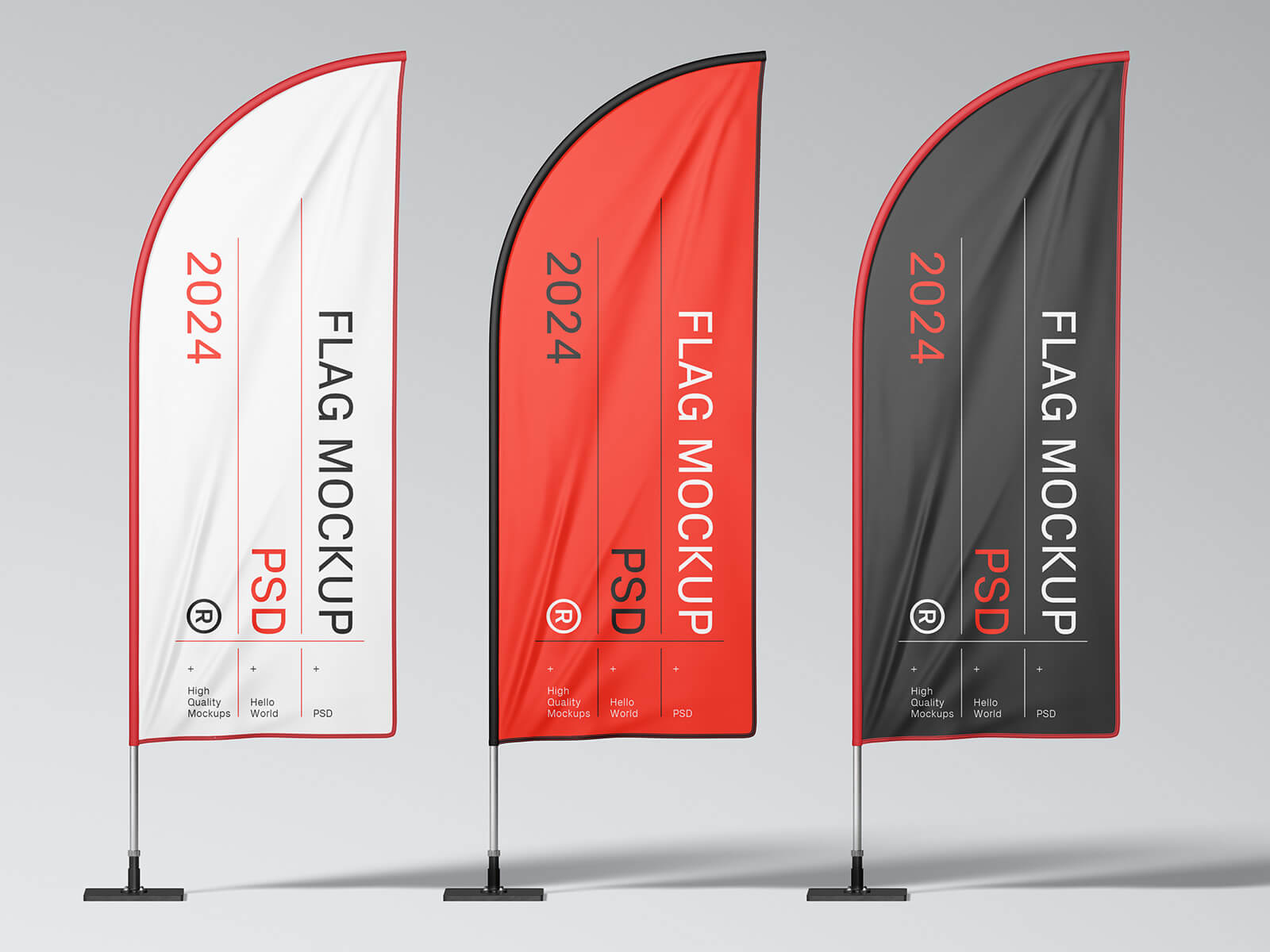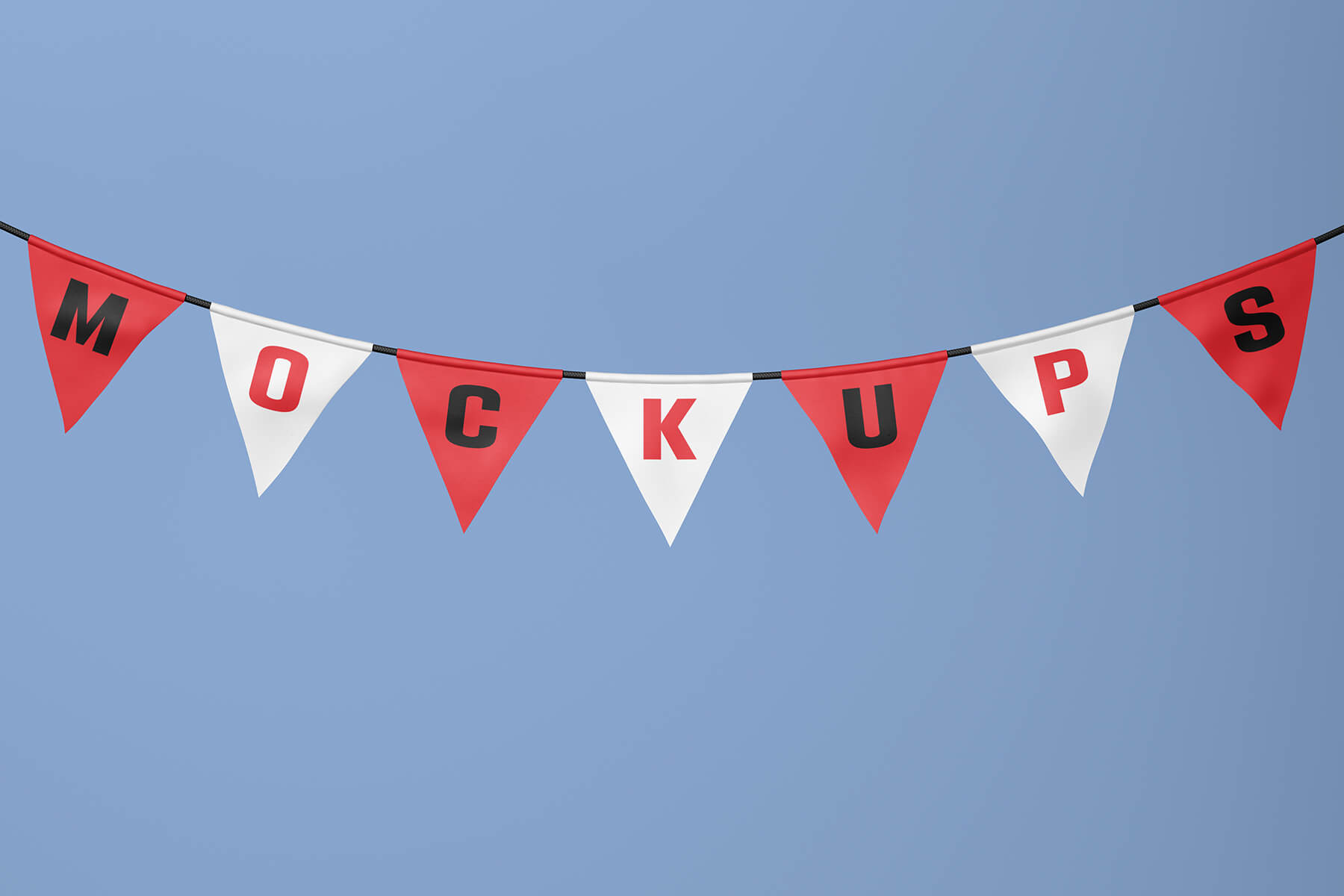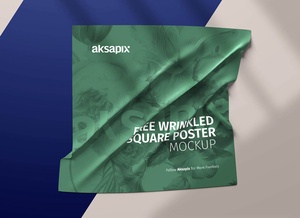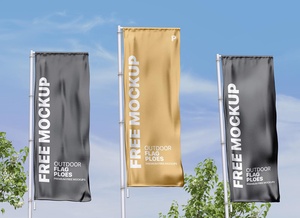






Wrinkled Flag Mockup

Designing a compelling and effective flag requires careful consideration of several key principles. A well-designed flag serves as a powerful symbol of identity and unity.
First and foremost, memorability is paramount. The flag's design should instantly grab attention and be easily recalled. This is often achieved through the strategic selection of a potent symbol, be it a historically significant badge, a natural element representative of the region, or a stylized abstract form. Effective symbolization makes the flag easily referable and deeply ingrained in the collective memory. Think of the iconic stars and stripes of the American flag.
Secondly, the color palette should be carefully curated. Limiting the design to two or three colors maximizes visual impact and ease of recognition. Two-color flags are particularly advantageous for their simplicity in production and reproduction. Choosing colors with meaningful associations to the entity the flag represents further enhances its symbolic power.
Thirdly, while the standard shape is rectangular or square, deviating from this norm can create a uniquely distinctive flag. The flag of Nepal, with its unique double-pennon shape, stands as a testament to this. It's widely recognized for its unconventional design and aesthetic appeal, proving that breaking the rules can lead to exceptional results. However, if deviating from the standard shape, ensure that the shape still lends itself to ease of manufacturing.
Fourthly, embrace simplicity. A clean and uncluttered design is more impactful and easier to interpret from a distance. Flags can utilize bold stripes, a dominant color, or a striking central symbol. The Canadian flag, with its iconic maple leaf, exemplifies the power of simplicity. Avoid overly complex designs that can become muddled and confusing.
Fifthly, and perhaps most importantly, refrain from using lettering or text. A flag is a symbolic representation, not a sign or billboard. Its message should be conveyed through visual elements, not written words. The effectiveness of a flag lies in its ability to communicate meaning through imagery, transcending language barriers.
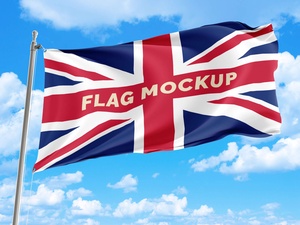
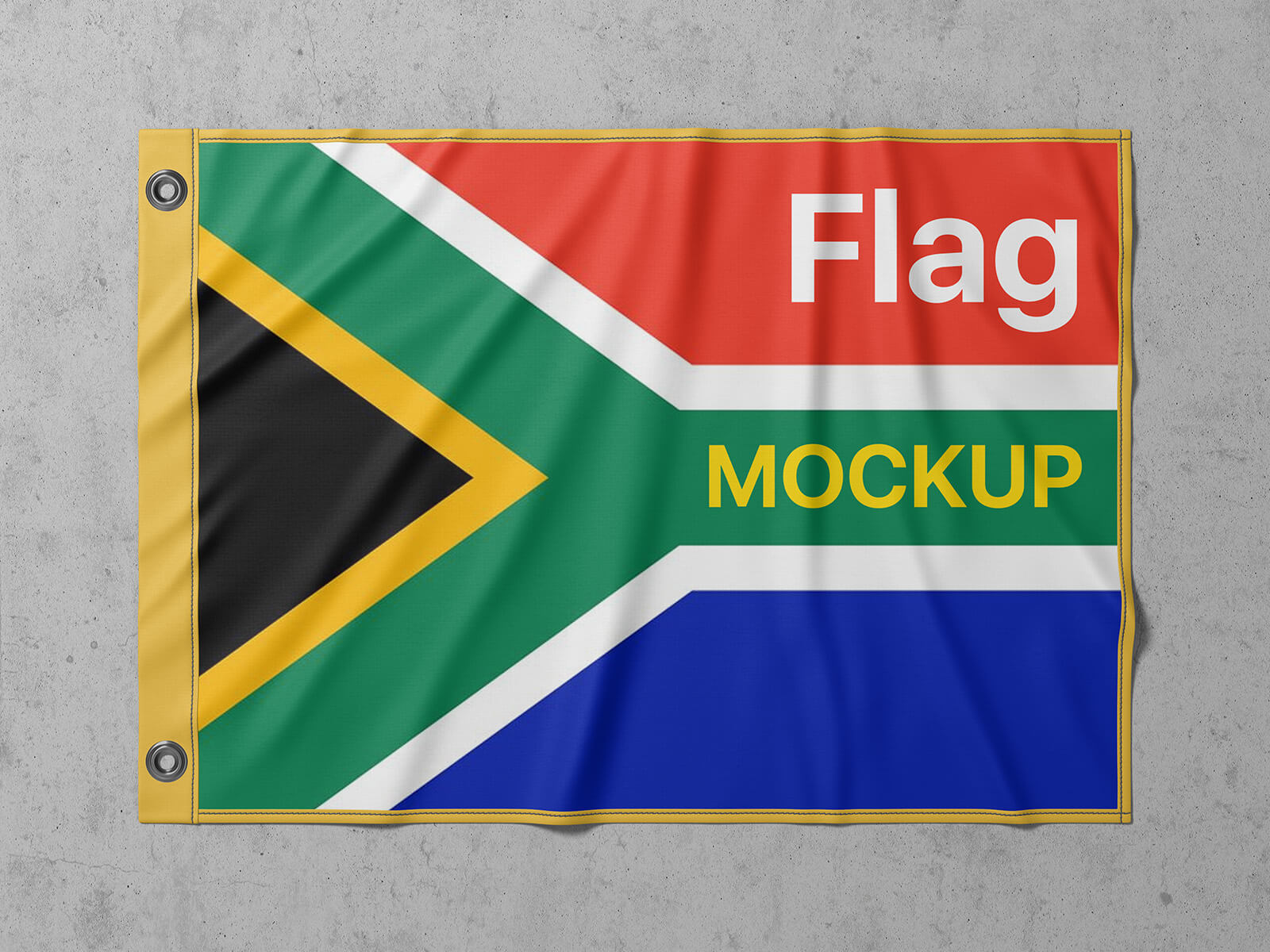
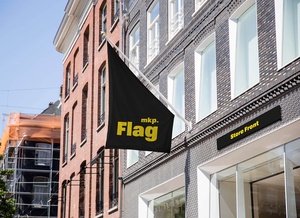
To assist in visualizing your flag design, consider utilizing a realistic flag mockup. A readily available resource is a layered PSD mockup, which allows you to seamlessly insert your artwork onto a smart object layer. This allows for a realistic preview of how your design will appear in various contexts, such as waving in the wind or displayed on a pole.
Description of the Mockup (example):
- Available Format: Layered PSD with easy smart object insertion
- License: Free for personal and commercial use
- Zip File Includes: Photoshop PSD file
- Mockup Resolution: 4500 x 3000 pixels
- Artwork Resolution: 5735 x 4157 pixels
- Photoshop Requirement: Adobe Photoshop CS5+
Instructions:
- Place your flag design on the designated smart object layer within the PSD file.
- Save the smart object layer. The mockup will automatically update to reflect your design.
By adhering to these principles and utilizing helpful tools like flag mockups, designers can create flags that are not only visually appealing but also deeply symbolic and memorable.