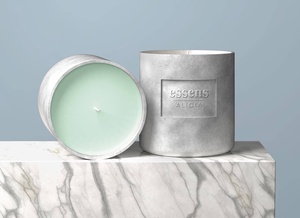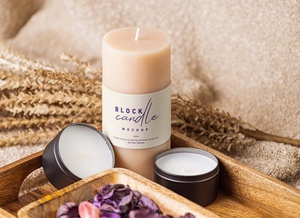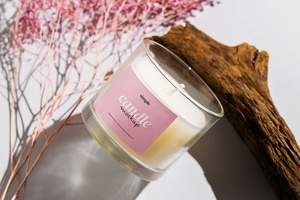






Glass Candle Mockup
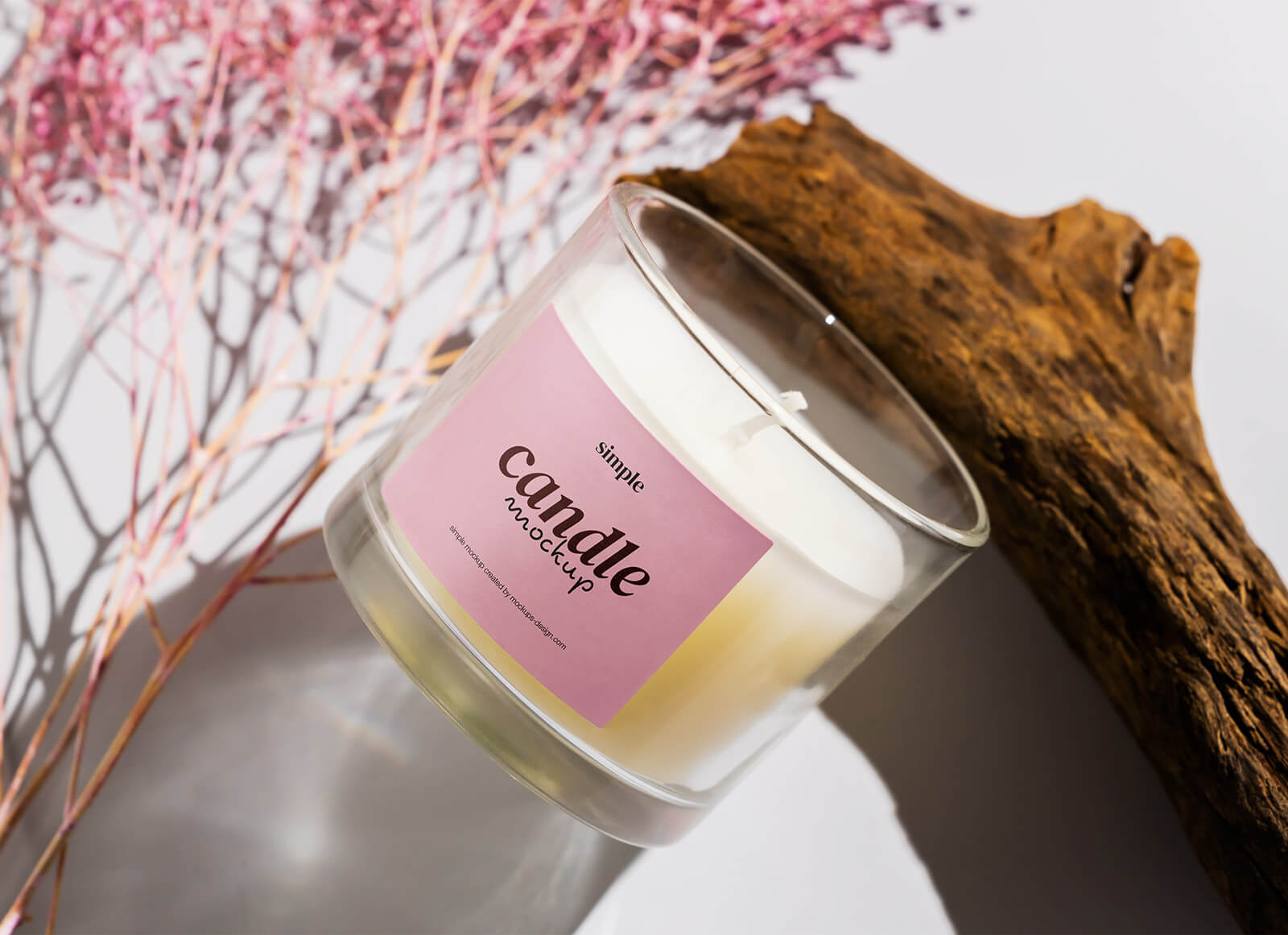
The candle market offers a vast array of choices, making it crucial to understand the origins and potential impacts of different types before making a purchase. While the allure of a fragrant and ambient glow is undeniable, some candles can pose significant risks to both the environment and our health. Let's delve into the types to avoid and explore safer alternatives.
At the top of the list of "candles to avoid" are paraffin candles. These are often the most readily available and cheapest option, found in almost every store. However, their low price comes at a cost. Paraffin is a byproduct of petroleum refinement, a process known for its environmental concerns. More importantly, burning paraffin candles releases a cocktail of extremely harmful gases into the air we breathe. These emissions include volatile organic compounds (VOCs) and polycyclic aromatic hydrocarbons, both known pollutants. Worryingly, some paraffin candles may even contain benzene and formaldehyde, both classified as carcinogens. Prolonged exposure to these substances can contribute to a range of health problems, including various blood disorders and debilitating respiratory issues.
Fortunately, safer and more sustainable options exist. Beeswax and soy candles stand out as significantly healthier alternatives. These candles, when crafted properly, burn cleaner and release far fewer harmful chemicals into the atmosphere. For optimal safety, opt for candles made with 100% beeswax. Beeswax candles are not only non-toxic but can also be considered environmentally friendly, even with extended use. Beeswax is a renewable resource, and its production has a minimal impact on the planet. Soy candles are a good alternative, but it's important to ensure that the soy used is sustainably sourced and that the candle is free from additives and artificial fragrances.
Switching to beeswax or soy candles is a simple yet effective way to reduce your exposure to harmful chemicals and minimize your environmental footprint. Make informed choices and prioritize candles that promote both well-being and environmental responsibility.